
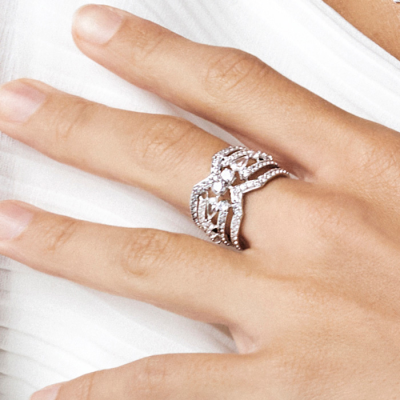
So here’s the thing—diamonds aren’t what they used to be. The sparkle? Still there. The romance? Definitely. But the way we get them has changed. More more people are ditching mined stones for lab made diamonds. And honestly, it makes sense. They look the same, they cost less, you don’t have to wrestle with the whole “is this ethically sourced?” question.
But here’s where it gets tricky. If you’ve started shopping, you’ve probably seen the names IGI GIA tossed around. igi vs gia lab grown —what’s the difference, does it even matter?
Let’s dive in.
The Backstory: Why Labs Are in the Game
Think about it. Diamonds used to be this elusive thing, wrapped up in marketing campaigns about “forever” “the one true symbol of love.” Then lab technology came along kind of pulled the curtain back.
Now, scientists can make diamonds in a lab—same carbon structure, same brilliance. No blood diamond scandals. No giant holes in the earth. Just pure sparkle.
But here’s the catch: once you’ve got lab made diamonds floating around, you need someone to grade them. Otherwise, how do you know if you’re buying top quality or something that just looks okay under the jewelry store lights?
That’s where IGI GIA come in. They’re the big players in grading diamonds. But their reputations? Very different.
IGI vs GIA: What People Actually Care About
Okay, quick breakdown.
- GIA (Gemological Institute of America): the old-school giant. If diamond grading was high school, GIA is that kid who always gets straight A’s, never skips class, corrects the teacher. Super strict, super respected.
- IGI (International Gemological Institute): not as “traditional,” but way more popular with lab grown diamonds. Jewelers like them because IGI is fast, accessible, yes… sometimes a little less strict.
Here’s an example. A diamond that GIA grades as an “H” color might get bumped to a “G” under IGI. Tiny difference, right? But that tiny letter change can make a stone sound more impressive—pricier.
Does that mean IGI is bad? Not necessarily. Lots of people actually prefer their reports because they’re clear easy to understand. And let’s be real—most people can’t tell the difference between an “F” a “G” color once it’s set in a ring.
So the IGI vs GIA lab grown debate is less about “which is right” more about “what kind of buyer are you?”
Trends Tips: Shopping Without Losing Your Mind
Let’s be honest, shopping for a diamond can feel like learning a new language. Cut, clarity, carat, color—it’s a lot. Throw grading labs into the mix your head starts spinning.
Here are some things to keep in mind:
-
Know your budget. Lab made diamonds are already cheaper than mined, so decide where you want to splurge. Is it size? Is it sparkle? Is it a perfect grading report?
-
Don’t obsess over one letter. The grading scales are useful, but they’re not the whole story. A well-cut diamond with “lower” color will outshine a poorly cut diamond with a higher grade.
-
Think about resale (or not). Some people say GIA certificates hold value better. But here’s the truth: most folks buying engagement rings aren’t planning to resell. So maybe that’s not your hill to die on.
-
Ask to see it in person. A grading report is helpful, but your eyes matter too. If you think it sparkles like crazy, that’s worth more than a letter on paper.
Trends show more couples are picking IGI-certified lab grown stones just because there are more of them out there. GIA’s catching up, but IGI is currently the go-to for most jewelers.
Why This Matters Locally (to You)
If you’re shopping in the U.S., Europe, or even Asia, you’ll notice a pattern. Jewelers often stock IGI certificates for lab grown diamonds because that’s what’s widely available. It’s not that GIA doesn’t grade them—they do, but it’s newer for them, they’re stricter, which sometimes makes stones seem “lower” on paper.
Here’s the funny part. Your friends won’t ask, “Hey, is that IGI or GIA?” They’ll just say, “Wow, that’s gorgeous.”
Still, if you’re someone who loves tradition wants the “gold standard” stamp, GIA might be your vibe. If you’re practical care more about the look than the label, IGI will give you plenty of options without stressing.
The Process: How Buying Usually Goes
Let me paint you a picture.
You walk into a jeweler (or scroll online—same thing these days). You see a diamond that looks perfect. The jeweler hands you a grading report. If it’s IGI, you’ll notice the design is clean kind of user-friendly. If it’s GIA, it looks more technical rigid.
Then comes the decision. Do you go with the diamond that’s “graded stricter” but might look less impressive on paper? Or do you go with IGI, where the grades might feel a little more generous?
The truth: neither is wrong. The process is basically the same—labs test, analyze, grade. It’s just about the reputation how you personally feel about it.
And to be fair, some people like flexing the “GIA certificate” because it sounds prestigious. Others couldn’t care less.
Wrapping It Up
At the end of the day, the IGI vs GIA lab grown debate really boils down to preference. Lab made diamonds themselves are already a win—they’re beautiful, eco-friendlier, way easier on the wallet.
So whether your stone comes with an IGI or GIA report, the most important part is how you feel when you see it on your hand.


