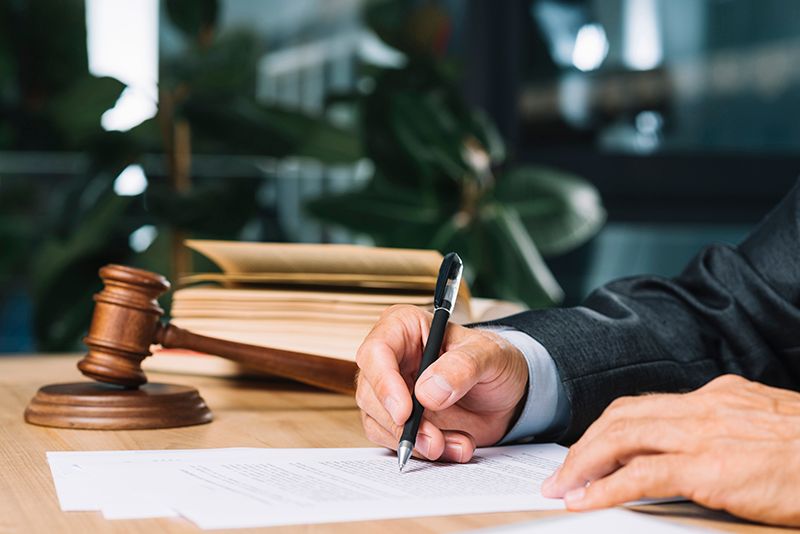

Civil rights attorneys play a crucial role in ensuring our basic freedoms are protected enforced. They represent individuals whose rights have been violated, whether in the workplace, in public spaces, or by government action. Without their advocacy, many people would struggle to navigate the complex legal system when facing discrimination or injustice.
We often hear about civil rights in the news, but understanding how the legal process works who can help makes a real difference when issues arise. By working with knowledgeable civil rights lawyers, we can assert our rights pursue fair treatment under the law. This article explores what civil rights attorneys do how they support our communities. For more info, click here.
What Do Civil Rights Attorneys Do?
Civil rights attorneys represent individuals whose fundamental rights have been violated due to protected class status, such as race or gender, under anti-discrimination laws. We work to resolve disputes involving unlawful discrimination protect our clients’ legal rights under federal civil rights laws.
Understanding Civil Rights Law
Civil rights law provides the legal foundation for all people in the United States to receive equal treatment under the law. These laws make it illegal to treat someone differently based on characteristics like race, color, religion, sex, or national origin. The Civil Rights Act of 1964 is a key federal law protecting these rights.
We advise clients about what is included in civil rights protections explain how discrimination laws apply in specific cases. Our understanding of both federal state statutes enables us to guide people through complex legal frameworks ensure everyone is aware of their fundamental rights. We also help people recognize when their civil rights may have been violated, which is often the first step toward seeking justice.
Types of Civil Rights Violations
Civil rights violations come in many forms, each with specific legal definitions remedies. Some of the most common types include:
- Employment discrimination: Unfair treatment at work due to protected class status
- Housing discrimination: Being denied lease or sale based on race, religion, or other classes
- Police misconduct: Unlawful searches, seizures, or use of excessive force
- Voting rights violations: Interference with the right to vote, such as voter suppression
- Education discrimination: Unequal access to public education or services
As civil rights lawyers, we identify which laws apply, such as the Civil Rights Act, build cases by collecting evidence of discriminatory actions. We work with clients to address violations through legal proceedings, negotiation, or administrative complaints.
When to Contact a Civil Rights Attorney
It is important to seek legal help promptly when we believe our civil rights may have been violated. Prompt action allows us to meet legal deadlines protect vital evidence.
We should consider contacting a civil rights attorney if we face discrimination in employment, education, housing, or by government agencies. Patterns of unfair treatment, wrongful termination, denial of services, or police misconduct are also clear signals to get legal advice.
A civil rights attorney can assess whether laws like the Civil Rights Act or other federal statutes apply. We can help file formal complaints, represent clients in court, work to secure remedies such as compensation, policy changes, or injunctive relief.
Legal Areas Cases Handled by Civil Rights Attorneys
Civil rights attorneys play a crucial role in protecting individuals from discrimination unlawful actions. We address violations that impact people’s jobs, homes, physical safety, basic liberties.
Employment Discrimination
Our work in employment discrimination spans a range of claims involving unfair treatment at work. We represent workers who face discrimination based on race, color, gender, religion, national origin, sexual orientation, disability, or age. Major statutes in this area include Title VII of the Civil Rights Act, the Equal Pay Act, the Americans with Disabilities Act.
We assist clients with Equal Employment Opportunity Commission (EEOC) complaints guide them through the statute of limitations for civil rights lawsuits. Claims may involve wrongful termination, failure to hire or promote, retaliation for speaking up, or hostile work environments. We also address compensation inequalities covered by equal pay laws violations involving sexual harassment.
Common employment discrimination issues:
- Refusal to hire due to personal characteristics
- Unequal pay for similar work
- Sexual harassment claims
- Age discrimination under the Age Discrimination in Employment Act
- Retaliation for filing complaints
Housing Discrimination
We handle cases under the Fair Housing Act related state laws to ensure equal treatment in housing opportunities. Housing discrimination can affect many groups, including those facing bias based on race, color, national origin, religion, gender, disability, or familial status.
Civil rights lawsuits in this area may arise from refusals to rent or sell, unequal terms, or making housing unavailable to certain groups. Our cases often involve landlords, homeowners’ associations, property managers. We also represent clients facing disability access issues or retaliation after asserting their rights.
Key areas in housing discrimination:
- Denials based on protected class status
- Discriminatory housing advertisements
- Different terms or conditions for certain tenants
- Retaliation after filing fair housing complaints
Police Misconduct Brutality
We pursue justice for those harmed by police misconduct brutality. This often includes lawsuits against law enforcement agencies for excessive force, false arrest, unlawful searches, or deaths in custody.
Our work may involve federal civil rights statutes, including Section 1983 cases, partnerships with nonprofit organizations focused on government accountability. Gathering body camera footage, witness statements, police records is common in these complex cases.
Police misconduct topics we address:
- Use of excessive or deadly force
- Discriminatory policing based on race or other characteristics
- Illegal search seizure
- Failure to intervene or supervise
- Violations of personal rights liberties
Other Civil Rights Cases
Our practice includes broader civil rights cases that protect personal human rights beyond employment, housing, or policing. These may involve freedom of speech, access to education, or discrimination in public accommodations.
We regularly challenge government agencies or other entities on issues such as denial of services, voter suppression, or actions that threaten equal treatment a sense of belonging. Statutes vary by state, we pay close attention to deadlines procedures for responding to rights violations.
Examples of other civil rights cases include:
- Discrimination in schools or public spaces
- Barriers to voting or accessing government services
- Infringement upon freedom of expression or religion